

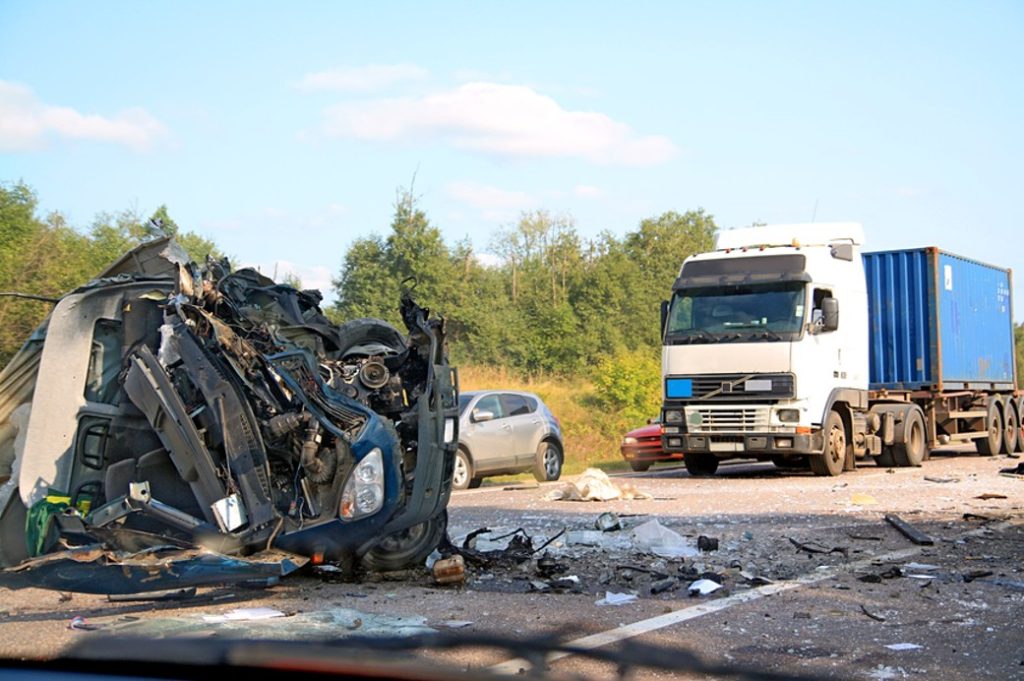
A crash with a big rig changes everything in seconds. One moment, traffic moves like any other day on a Houston freeway. The next, metal folds, brakes scream, and lanes stop cold. These wrecks are rarely small. A loaded truck can weigh many times more than a car, so even a low-speed hit can leave lasting harm. That is why truck cases are handled with extra care in court. A simple fender bender claim and a big rig case do not move the same way. The facts run deeper, the records matter more, and blame is often split between several people. A firm like Schechter, Shaffer & Harris, LLP – Accident & Injury Attorneys often looks past the first police report. That report matters, sure, but it rarely tells the whole story.
Why truck wreck cases feel different
A truck driver may seem like the only person involved. That is often not true. The driver works for a carrier. The trailer may belong to another company. Cargo may have been packed by a third crew. A repair shop may have missed bad brakes. Even a shipping deadline can matter if it pushes a driver too long. So when a crash happens, the case starts wide.
A court will ask simple questions:
- Was the truck safe to drive?
- Was the driver alert?
- Did the company ignore warning signs?
- Was federal safety law followed?
Those answers shape the case. A truck crash is a bit like tracing a leak in a house. Water shows up in one room, but the source may sit far behind the wall. In cases where vehicles need to be moved after an accident, working with reliable Motorcycle Transport Companies can help ensure safe and documented relocation, which may also support legal and insurance processes.
Negligence — what the court really wants to see
Negligence sounds legal, but the idea is plain. Someone had a duty. They failed. That failure caused harm. That is the frame. In a big rig case, a driver has a duty to stay alert, keep distance, and obey speed limits. A trucking company must hire trained drivers and keep trucks fit for the road. If either side cuts corners, that opens the door to liability.
Let me explain.
If a driver checks a phone and misses stopped traffic, that may count as negligence. If worn tires were ignored for months, that can count too. Small choices matter because trucks leave little room for error.
The evidence usually tells the truth
Truck cases often turn on records, not arguments. A modern rig stores data. That helps. Many trucks carry an event recorder, often called a black box. It may show speed, brake use, and engine action just before impact. That data can answer hard questions fast. Other records matter too:
- Driver logbooks
- GPS routes
- Fuel receipts
- Repair reports
- Dispatch texts
- Camera footage
Sometimes one missing line in a logbook changes the tone of the whole case. A driver may claim rest was taken. Fuel receipts may show the truck was moving at that same hour. That is why early record requests matter so much.
Fatigue — the quiet issue nobody sees
Not every bad truck crash starts with reckless driving. Some start with a tired driver who thinks, “I can finish this run.” That extra hour can cost a lot. Federal rules limit driving time, yet fatigue still shows up in many claims. Long roads, tight schedules, and late-night routes create pressure. A tired truck driver reacts late. The truck keeps rolling. And unlike a car, a loaded rig needs far more room to stop. That delay — just two seconds, maybe less — can become the center of a lawsuit.
When companies share the blame
People often picture one driver in court. Real truck cases are rarely that neat. A company may face blame if it hired a driver with poor safety history. It may also face blame if it pushed unsafe delivery times. Some firms reward speed, even when they never say it out loud. Emails, route orders, and pay records sometimes show that pattern. Honestly, that is where many strong claims grow. Not from one mistake, but from repeated choices behind the scenes.
Road cameras, witnesses, and plain timing
A witness who stops and speaks can help more than expected. So can a nearby store camera. A truck may hit at one angle, but footage shows another. A lane change that seemed harmless may look very different on video. Timing also matters because evidence fades. Video gets erased. Trucks get repaired. Drivers move on. That is one reason injured people often contact Schechter, Shaffer & Harris, LLP – Accident & Injury Attorneys quickly after a wreck. The sooner records are preserved, the stronger the case may become.
What damages are usually claimed
Court is not only about fault. It is also about loss. That includes medical bills, missed work, rehab costs, and future care. Pain matters too, though it is harder to measure. A serious truck crash may leave someone unable to work the same job again. That part often takes expert review. Doctors, work experts, and crash analysts may all step in. A broken arm heals. A back injury may not. The law looks at both.
Why local legal help matters in Houston
Truck routes through Houston stay busy year-round. Ports, fuel traffic, and interstate freight keep heavy trucks moving every day. That means local road knowledge helps. A lawyer who knows where wrecks often happen — near freight lanes, merging ramps, or long feeder roads — can read facts in context. A strong Schechter, Shaffer & Harris, LLP – Accident & Injury Attorneys case often starts with local detail, not just legal theory. If you are searching for a Houston personal injury lawyer, local truck case experience matters because trucking defense teams act fast too. And yes, they often arrive before many people expect.
Court is slow, but the story must stay clear
Truck cases can take time. That sounds frustrating, and sometimes it is. Still, rushing a claim often weakens it. A clear case needs clean proof: what happened, why it happened, and who failed. That story must hold up under pressure. Because once court starts, every detail gets tested. Even the smallest gap can become a target. So the goal is simple — build the facts early, keep them clean, and let the records speak.
FAQs
1. How do you prove a truck driver was negligent after a crash?
Lawyers use black box data, witness statements, police reports, and logbooks. These show speed, braking, rest time, and driver choices before impact.
2. Can a trucking company be sued too?
Yes. If poor hiring, bad repairs, or unsafe schedules played a part, the company may share blame with the driver.
3. What if the truck driver says the car caused the crash?
That happens often. Court reviews evidence from both sides, including video, road marks, and truck data.
4. How long do truck crash claims usually take in Houston?
Some settle in months. Hard cases can last longer, especially if injuries are serious or blame is disputed.
5. Why contact a lawyer quickly after a big rig accident?
Important records can disappear fast. Early legal practice action helps protect evidence before it is lost.